


-

Add: HeBei ShengShi HongBang Cellulose Technology CO.,LTD.
-

Email
13180486930@163.com -

CONTACT US
+86 13180486930

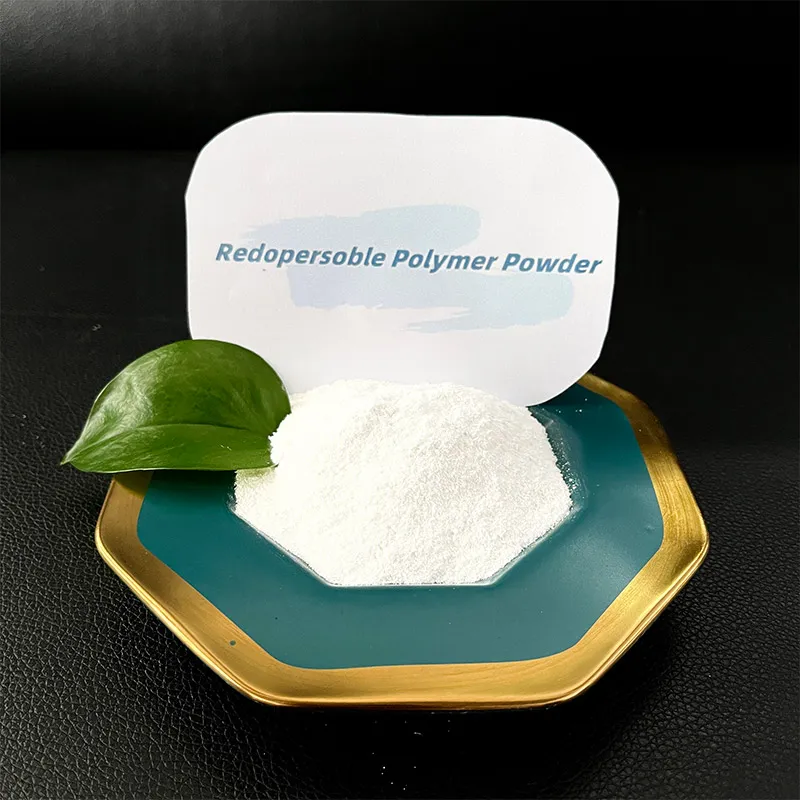


Hydroxypropyl starch phosphate is an increasingly popular ingredient in skincare products , and for good reason. This innovative compound combines natural starch with phosphate to enhance its functionality and benefit a myriad of skin types. Its rise in popularity is not just a fad; it's rooted in solid science and consumer experience. Derived primarily from natural sources like corn or potatoes, hydroxypropyl starch phosphate offers several advantages that align seamlessly with the needs of both consumers and formulators. Fundamentally, it serves as an exceptional texture enhancer in creams, lotions, and serums. Unlike traditional thickeners, it provides a silky-smooth finish that is often sought after in high-end skincare products. This means when applied, products feel luxurious and pampering, creating an indulgent experience that consumers love. In addition to texture enhancement, hydroxypropyl starch phosphate plays a crucial role in stabilizing emulsions, ensuring that oil and water components in skincare formulations do not separate over time. This stability is particularly important for multi-ingredient complex formulations, allowing active ingredients to remain evenly distributed, thus maximizing efficacy. Stability also translates to an extended shelf life, which is a significant consideration for both consumers and retail outlets. From a dermatological perspective, hydroxypropyl starch phosphate is non-irritating and safe for sensitive skin. Unlike some chemical thickeners and stabilizers, this starch derivative does not clog pores, making it an excellent choice for formulations targeted at acne-prone or reactive skin. Its ability to absorb excess oil without stripping the skin of essential moisture is another notable feature, making it suitable for oily skin types while maintaining a balance that is gentle enough for drier skin. Expertise in skincare formulation reveals that hydroxypropyl starch phosphate also aids in enhancing the delivery of active ingredients. Due to its molecular structure, it can help convey moisture deeper into the skin layers, optimizing the hydration properties of a product. This translates to improved performance of active ingredients, whether they are anti-aging, brightening, or soothing components. hydroxypropyl starch phosphate in skin care In the realm of experience, numerous skincare enthusiasts have praised products containing hydroxypropyl starch phosphate for their lightweight feel and non-greasy finish. These products tend to absorb quickly into the skin, leaving behind a velvety finish that preps the skin beautifully for makeup application or simply for a bare-skin glow. The real-life testimonials stand as a testament to the compound’s capabilities, further increasing its credibility among users who prioritize both efficacy and experience in their skincare regime. Authoritative research backs the safety and efficacy of hydroxypropyl starch phosphate, with numerous studies confirming its hypoallergenic properties and performance in enhancing skin feel and formulation stability. Regulatory bodies have approved its use globally, a mark of trust that allows consumers and formulators to incorporate this ingredient without reservation. The endorsement by dermatologists and skincare professionals further solidifies its standing in the industry, adding a layer of trustworthiness to its growing reputation. For a more sustainable approach to skincare, many conscious consumers will appreciate that hydroxypropyl starch phosphate is biodegradable. Derived from renewable resources, it aligns with the increasing demand for environmentally friendly beauty products. As the beauty industry progresses towards more sustainable practices, ingredients like hydroxypropyl starch phosphate not only meet the crucial functionality required by modern skincare but also support a sustainable future. Consumers keen on elevating their skincare routine should look for this innovative ingredient in their products. Brands that incorporate hydroxypropyl starch phosphate often showcase transparency and a commitment to quality, understanding the complex needs of today’s diverse skincare audience. As the understanding of this ingredient continues to evolve, more skincare products are expected to leverage its multifaceted benefits, making it a staple in high-performance skincare formulations. In conclusion, hydroxypropyl starch phosphate is more than just a functional ingredient; it is a bridge between efficacy and indulgence, expertly tailored for modern skincare needs. From improving product stability to enhancing the user experience, it represents a sophisticated advancement in the formulation of skincare products. With an impressive balance of credibility and innovation, this ingredient is set to remain an influential component in skincare regimens worldwide.
- 40000tons

Production
- 20+years

Experience
- 5000+㎡

Acreage

-
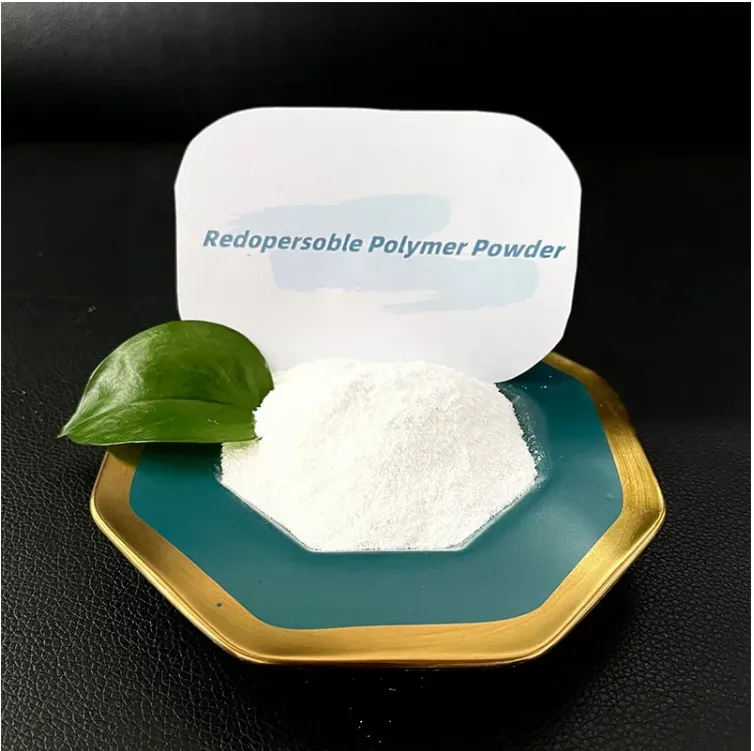
The Exploration of VAE for Dimensionality Reduction In the field of machine learning, Variational Autoencoders (VAEs) have emerged as a powerful tool for generative modeling and dimensionality reduction. VAEs are a type of neural network architecture that provides a probabilistic graphical model for data representation, enabling the capturing of intricate patterns in high-dimensional spaces. At its core, a VAE consists of two main components an encoder and a decoder. The encoder maps the input data to a lower-dimensional latent space, while the decoder generates data from this latent representation. The key aspect of VAEs is that they adopt a probabilistic approach, encoding inputs as distributions (typically Normal distributions) rather than deterministic points. This introduces a level of variability and allows for the generation of diverse outputs from a learned representation. . A crucial aspect of training VAEs is the objective function, which combines two key components the reconstruction loss and the Kullback-Leibler (KL) divergence. The reconstruction loss measures how well the output matches the input, typically using a loss function like mean squared error for continuous data or binary cross-entropy for binary data. The KL divergence, on the other hand, quantifies how closely the learned distribution approximates a prior distribution, often chosen as a standard Gaussian. This dual objective encourages both accurate data reconstruction and effective learning of the latent variable distribution. vae дахин тархах нунтаг One of the significant advantages of using VAEs for dimensionality reduction is their ability to capture complex data distributions. Traditional methods like Principal Component Analysis (PCA) often fail to capture nonlinear relationships in the data. VAEs, by leveraging deep learning, can model intricate structures more effectively, making them suitable for high-dimensional datasets such as images or complex time series. Applications of VAEs span a wide range of fields. In computer vision, they can generate new images by sampling from the latent space, making them valuable for creative tasks such as image synthesis and style transfer. In the biomedical domain, VAEs can analyze high-dimensional genomic data, identifying underlying patterns that can inform disease prediction models. Additionally, they hold promise in collaborative filtering systems, enhancing recommendations by learning user preferences in a continuous latent space. Despite their strengths, VAEs also come with challenges. For instance, one may experience the posterior collapse phenomenon, where the KL divergence becomes too small, leading the model to ignore the latent variable entirely. To mitigate this issue, various techniques have been developed, such as using more complex priors or employing hierarchical VAEs. Moreover, interpreting the learned latent spaces can be difficult due to their abstract nature. While they provide a compressed representation of the data, understanding what features or dimensions correspond to specific aspects of the data remains an ongoing research area. In summary, Variational Autoencoders represent a significant advancement in the realm of machine learning, particularly for dimensionality reduction and generative modeling. Their ability to capture the underlying structure of complex high-dimensional data makes them a powerful tool in various domains. As research progresses, improvements in architecture, training methods, and interpretability are likely to further enhance their applicability, paving the way for innovative solutions to real-world problems. The intersection of creativity and computational power that VAEs embody makes them a fascinating area of exploration in modern data science.
-
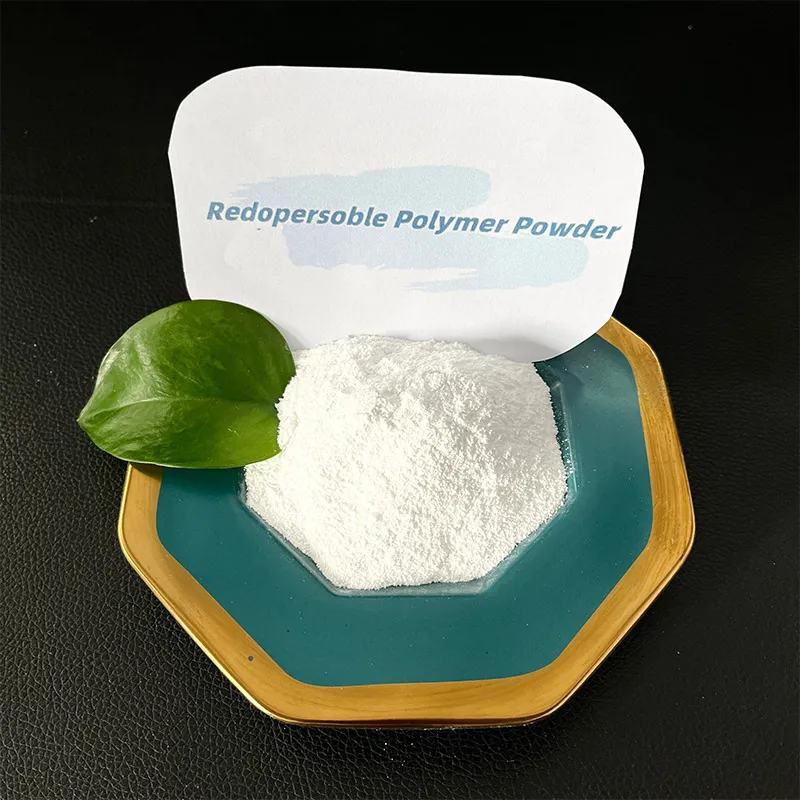
Rubber powder, often derived from recycled rubber products, has carved out a crucial niche in the sustainability and manufacturing sectors. This fine, granular substance is predominantly obtained from end-of-life tires and other rubber materials, undergoing a rigorous process of shredding, grinding, and sometimes finer pulverization to ensure a consistent texture and quality. Used across multiple industries, rubber powder is a testament to innovative recycling techniques that balance economic viability with ecological responsibility. In industrial applications, rubber powder serves multiple purposes owing to its unique properties. Its elasticity and resilience make it an ideal component in the production of modified asphalt for roadways. By integrating rubber powder into asphalt mixtures, road surfaces benefit from increased durability, resulting in decreased maintenance costs and extended lifespan. The material also enhances resistance to temperature variations, reducing the occurrence of potholes and surface cracking, which are common issues under fluctuating weather conditions. The construction industry reaps substantial benefits from rubber powder as well. It finds its place in concrete formulations, where it acts as an additive to improve flexibility and crack resistance. By incorporating rubber powder, builders and contractors achieve superior energy absorption characteristics in the structures. This innovative use of rubber powder not only extends the functional life of the structures but also provides enhanced seismic resistance, a critical factor in regions prone to earthquakes. In the realm of consumer products, rubber powder plays a transformative role. Manufacturers of rubber and plastic goods increasingly adopt rubber powder as a cost-effective and eco-friendly filler material. Its inclusion in products like shoe soles, floor tiles, and rubber mats not only helps in maintaining the performance standards but also aids in reducing the reliance on virgin rubber resources. This recycling process ensures sustainability in production while keeping quality intact, reflecting the growing consumer demand for environmentally responsible products. rubber powder wikipedia Moreover, the sports industry makes extensive use of rubber powder, particularly in the creation of synthetic sports fields and playground surfaces. These surfaces, benefiting from the shock-absorbing qualities of rubber powder, offer safer playing environments by reducing the risk of injuries from falls. The environmental advantage is clear—repurposing tire rubber that would otherwise contribute to landfill waste. The production process inherently adjusts the level of fineness of the rubber powder to tailor it for specific sports needs, ensuring optimal performance and safety. The environmental implications of rubber powder are significant . By facilitating the conversion of waste rubber into valuable end-products, such processes contribute considerably to reducing the ecological footprint of rubber waste. The recycling of tires and other rubber products into powder form effectively closes the loop in the lifecycle of rubber, offering a renewable option for industries traditionally dependent on non-renewable materials. On a macro scale, the growth of the rubber powder market signals a shift towards more sustainable manufacturing practices. Companies engaged in rubber recycling and powder production foster a circular economy, characterized by reduced raw material extraction and minimized waste. This market evolution aligns with global sustainability goals, encouraging industries to embrace greener alternatives while remaining economically competitive. In summary, rubber powder embodies the principles of modern innovation, blending expert engineering and environmental stewardship. Its applications across industries not only demonstrate technological advancement but also underscore a collective commitment to sustainable development. The conscientious use of recycled materials exemplifies a forward-thinking approach, ensuring that the push for progress does not come at the expense of the planet's health.
advantages
-

200000 Viscosities
Excellent product
We can produce pure products up to 200,000 viscosities
-

40000 tons
High yield
We don’t stop production all year round, and the annual output can reach 40,000 tons
-

24 hours
Quality service
We provide 24-hours online reception service, welcome to consult at any time
———— Inquiry Form
Schedule A services

-
 fibra_de_polipropileno
Oct . 25, 2025
Kizuia Jasi Embracing Resilience and Strength In a world fraught with challenges, the concept of Kiz -
 metal_fiber_concrete
Oct . 25, 2025
Understanding Cellulose in Wood Cellulose is a vital organic polymer that plays a crucial role in th -
 adding_fiber_to_concrete_mix
Oct . 25, 2025
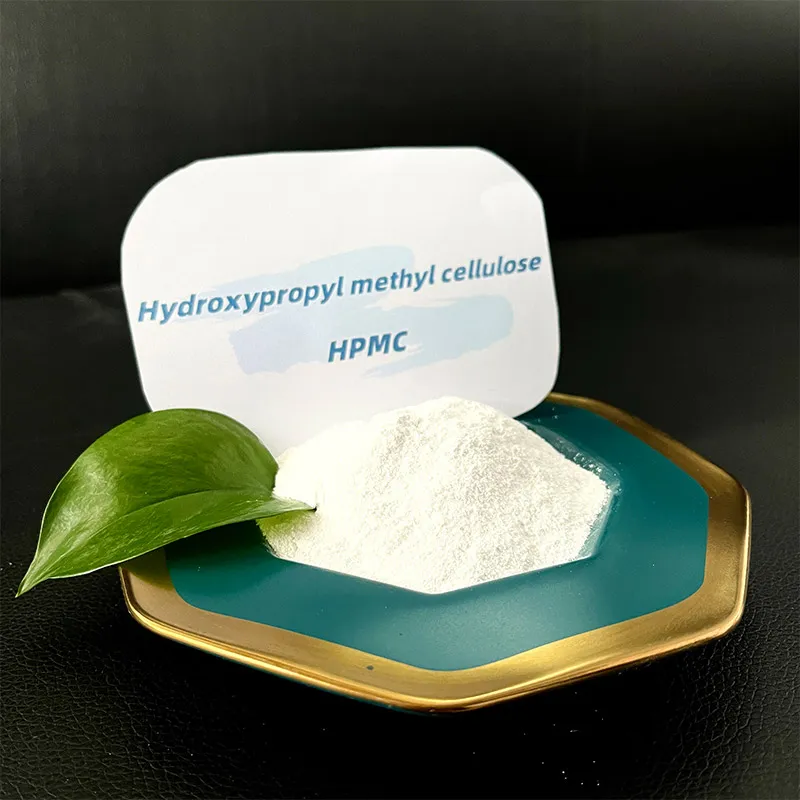
What is HPMC Made From? Hydroxypropyl Methylcellulose (HPMC) is a versatile and widely used polymer


